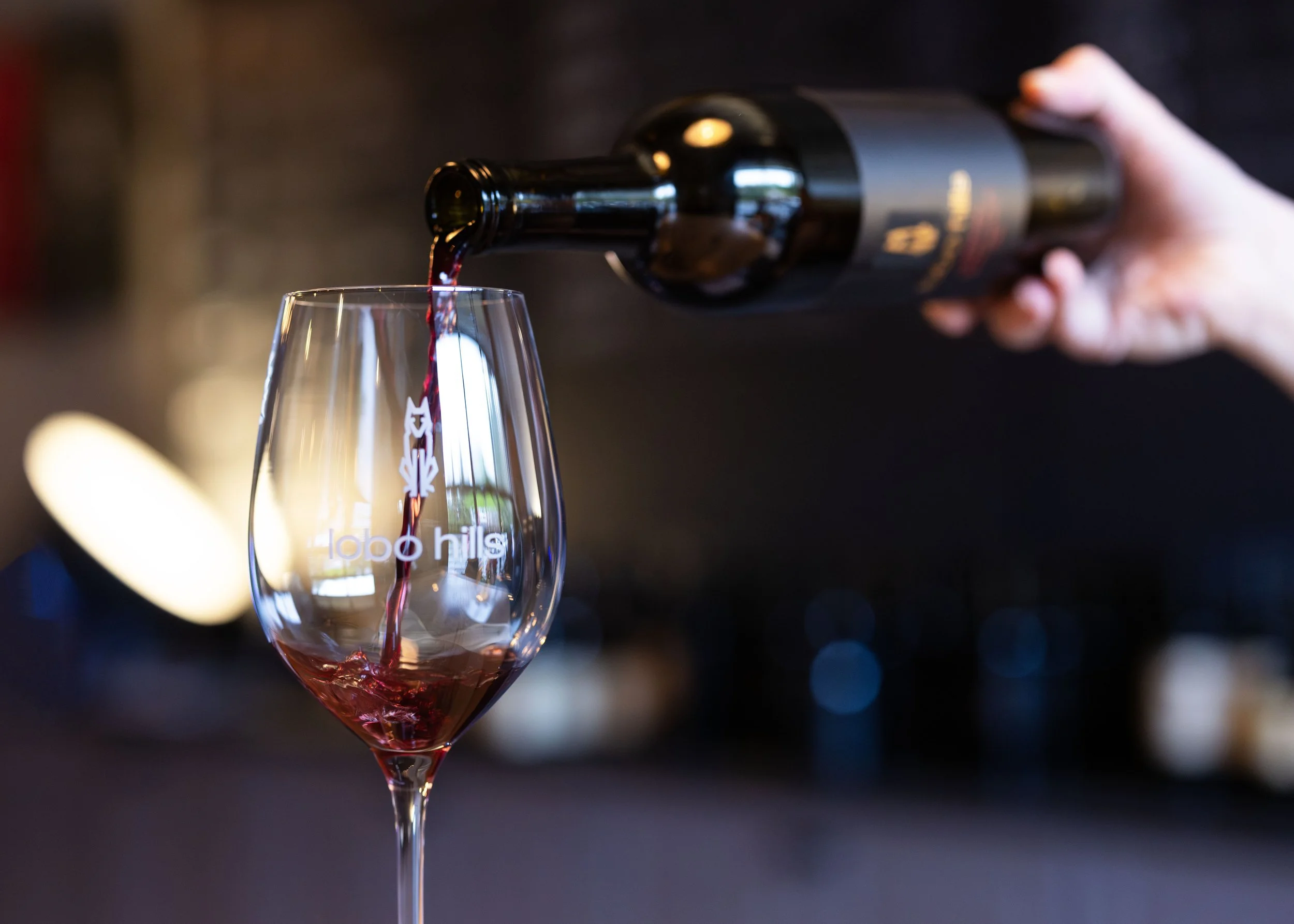
What We Mean by Minimalism at Lobo Hills
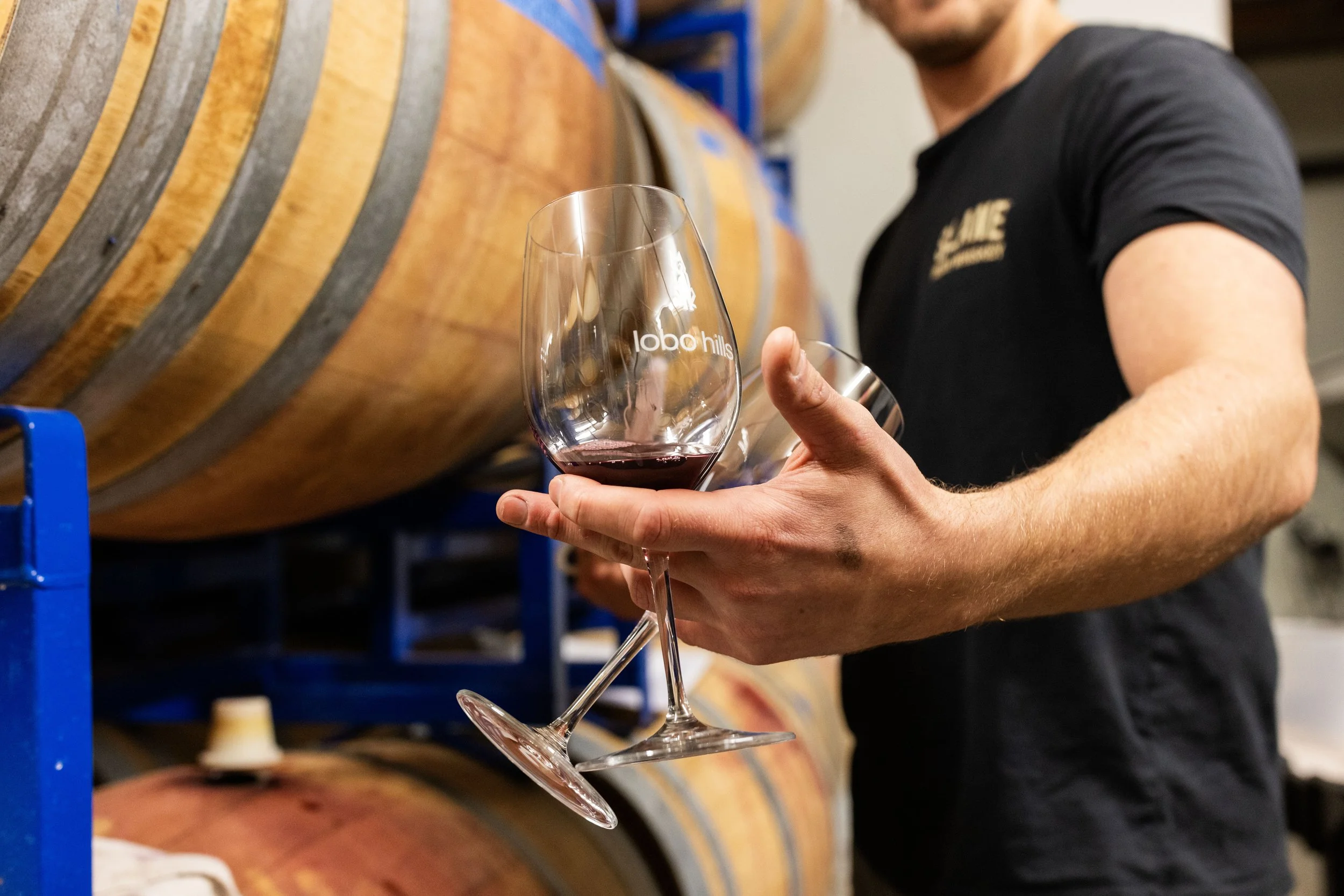
Hey there this is Tony Dollar, winemaker at Lobo Hills Wine Company, as well as co-owner with Diana.
We’ve been around for almost 15 years now, and from the beginning our focus has been on low-alcohol, minimalist wine. I want to take a little time to explain what we actually mean when we talk about minimalism, because it’s a word that gets used a lot and doesn’t always mean the same thing to everyone.
So, what is minimalism?
For us, minimalism means trying to do as little as possible to the wine. By that, I mostly mean adding things like chemicals or corrections. The catch is that if you want to do less to the wine later, you have to do a lot more work earlier. That means during harvest, our practices have to be absolutely top notch.
To make top-notch wine, you have to start with top-notch vineyards, and we are fortunate to work with some truly great ones.
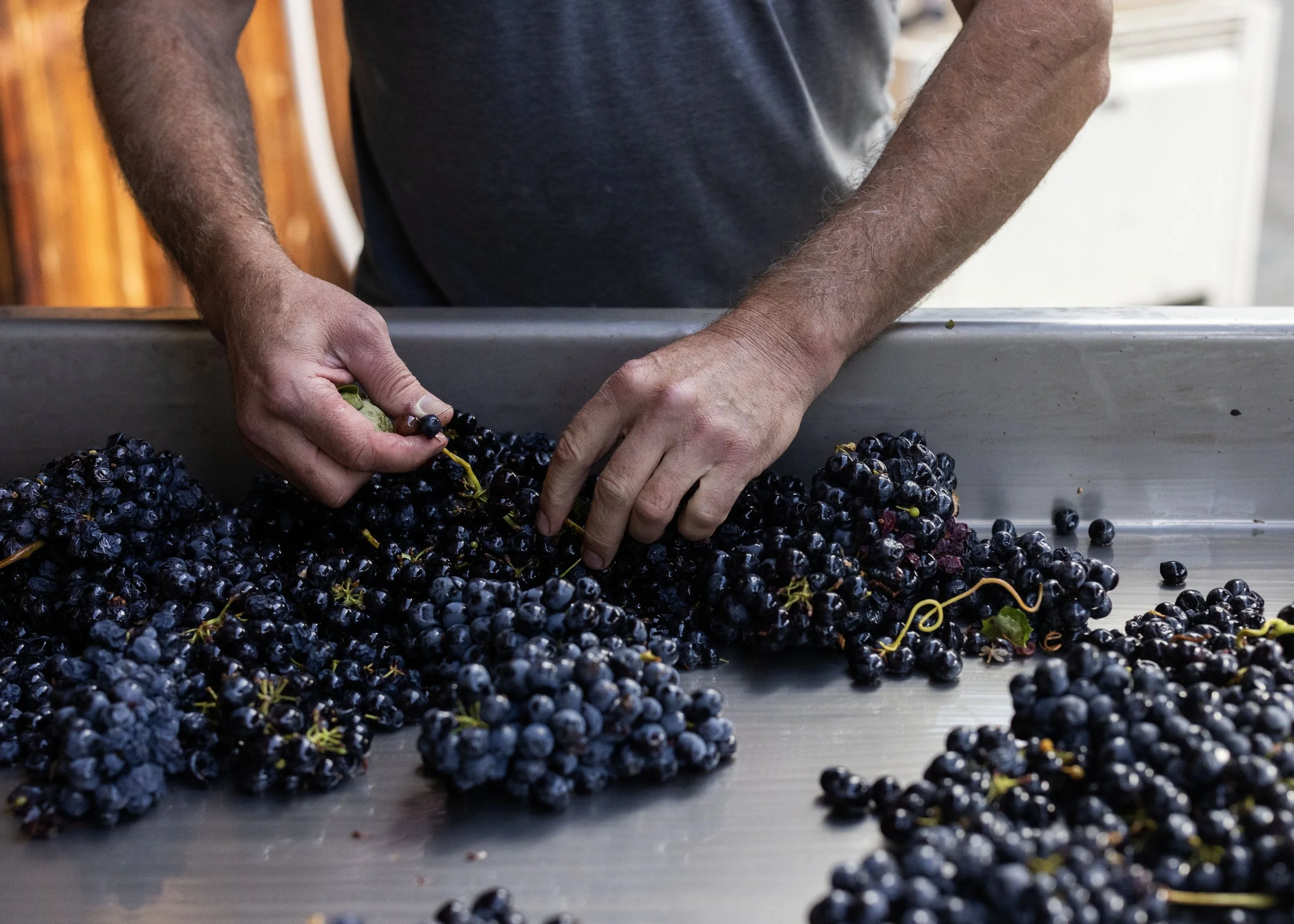
One thing that really sets us apart is that we hand sort all of our whole-cluster-picked grapes here at Lobo Hills. For a winery our size, around 4,000 cases, that is pretty rare. We do it because we want to examine every single cluster that goes into our wine.
We look for bird pecks, mold, leaves, stems, jacks, and sometimes wildlife. Every year, we pull out and save bronze jumping spiders along with plenty of ladybugs. Honestly, bronze jumping spiders are about the cutest spiders you will ever see. They are fuzzy little things. We gently move them off the clusters and relocate them to the bushes outside. Over time, we have kind of built our own little colony out there.
Hand sorting is extremely important to us. It ensures that only good fruit goes into our process. From there, we stay gentle all the way through winemaking.
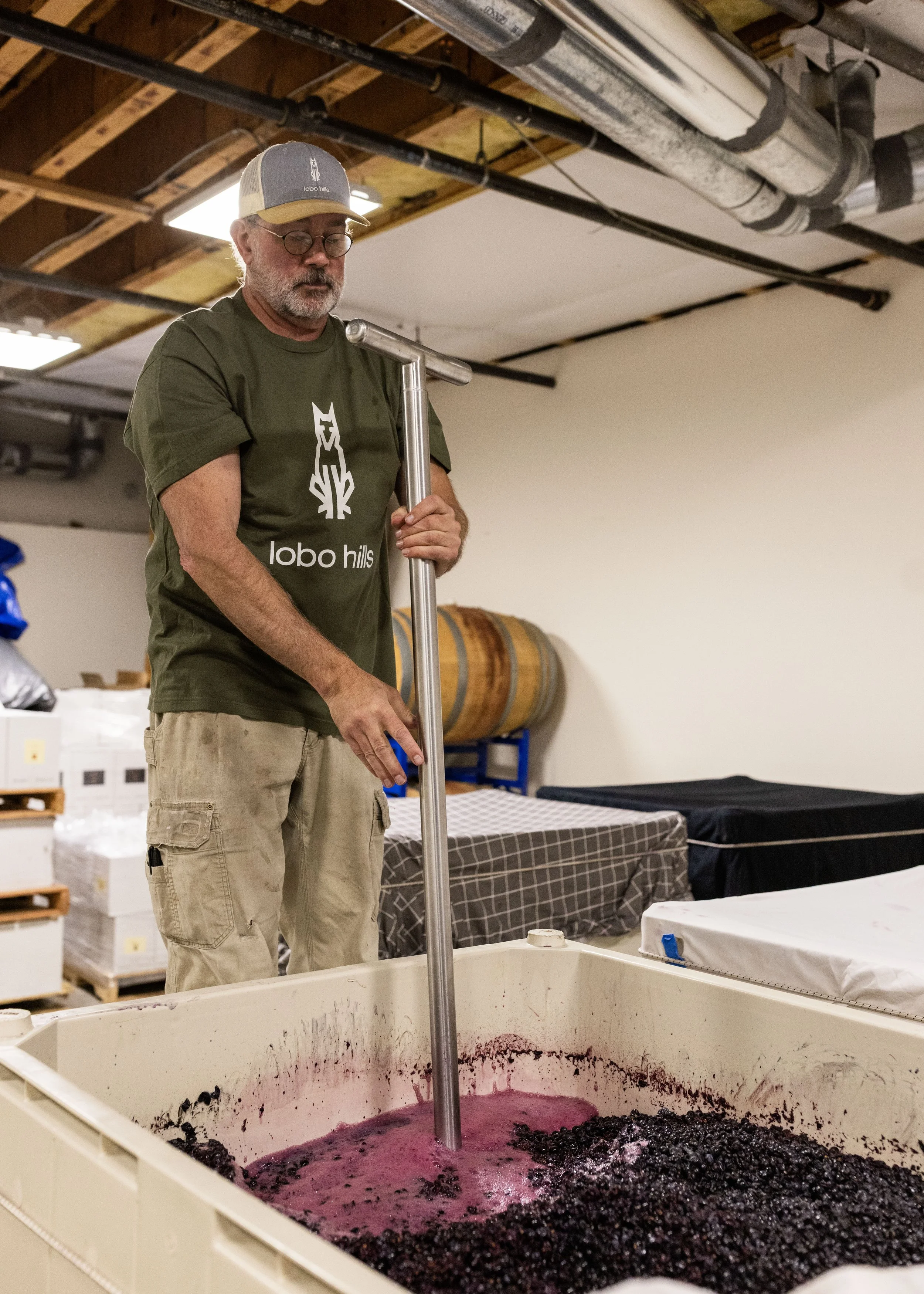
When we press our white wines, we use a gentle press cycle to minimize harsh bitterness being extracted along with the juice. With our reds, we are careful with punch-downs. We do want to extract character from the skins, but we are not aggressive about it. At the end of the day, what really matters is what you smell and experience when you open the bottle.
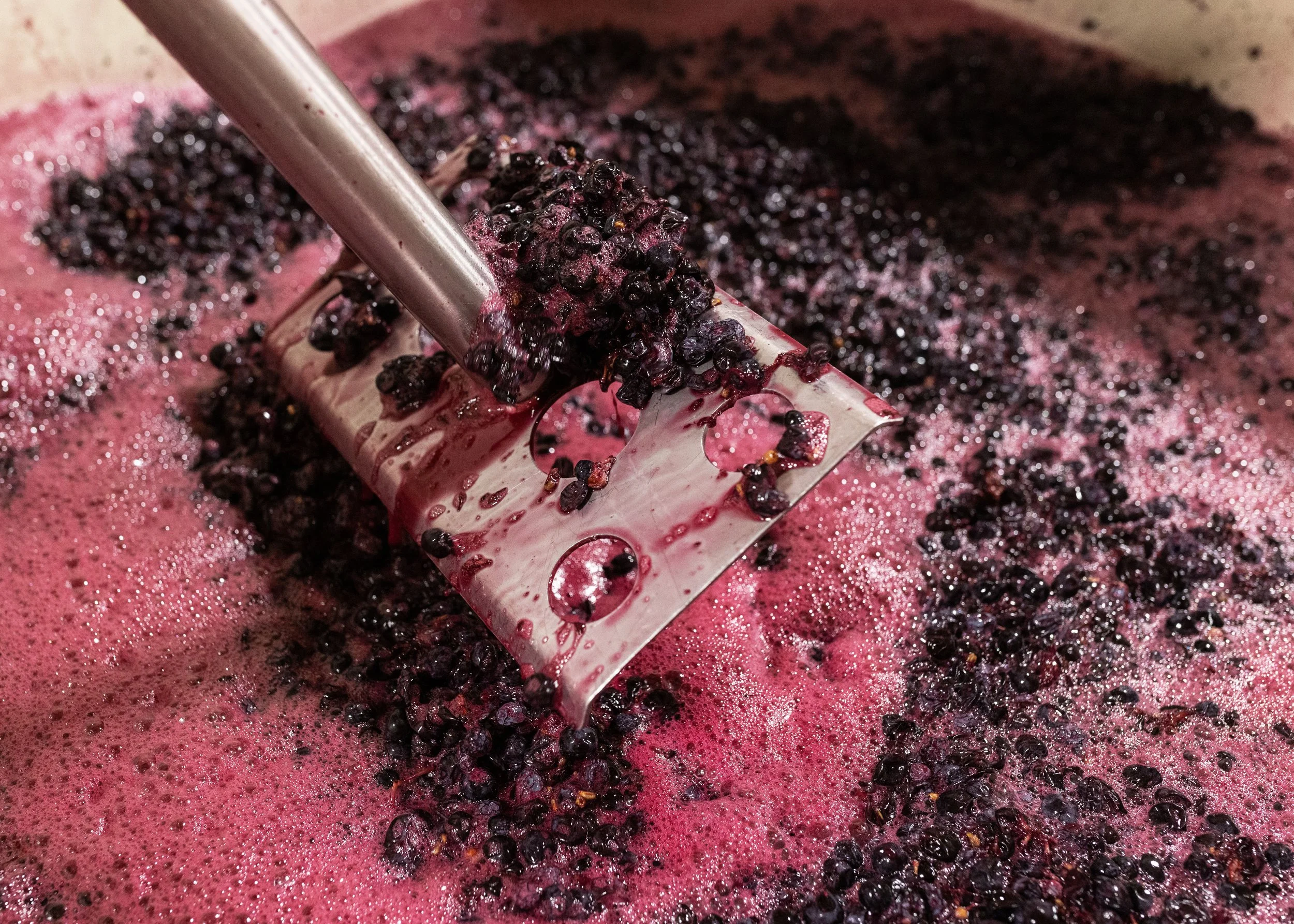
That brings us to a big question. What actually goes into the wine?
This is a key part of minimalism. We do not currently list ingredients on the back of our labels. We have talked about it, and maybe one day we will. In the meantime, we are always happy to tell you what we add. You can call us, check our website, or find the information online.
First, we add yeast. That is essential. Yeast converts grape sugar into alcohol and CO2. Without it, there is no wine.
We also add yeast food. I like to think of this the same way you would think about nutrition for a high-performance athlete. You give them good food to digest and sometimes a little electrolyte boost to help them make it across the finish line. If needed, we add yeast nutrients in stages throughout fermentation.
Sometimes we add acid, specifically the same acids that naturally occur in grapes, tartaric or malic. This is not a given every year, but it is there if needed.
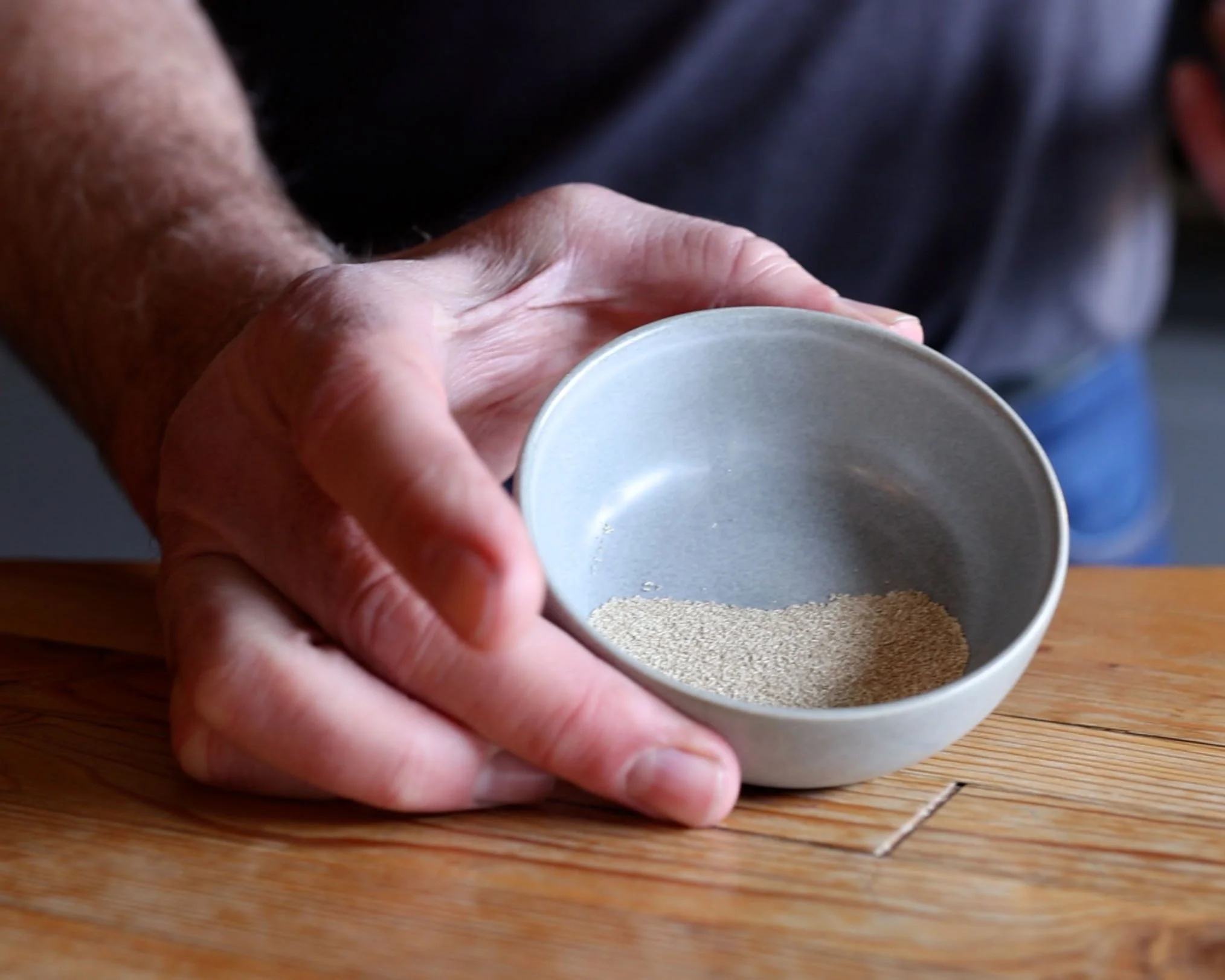
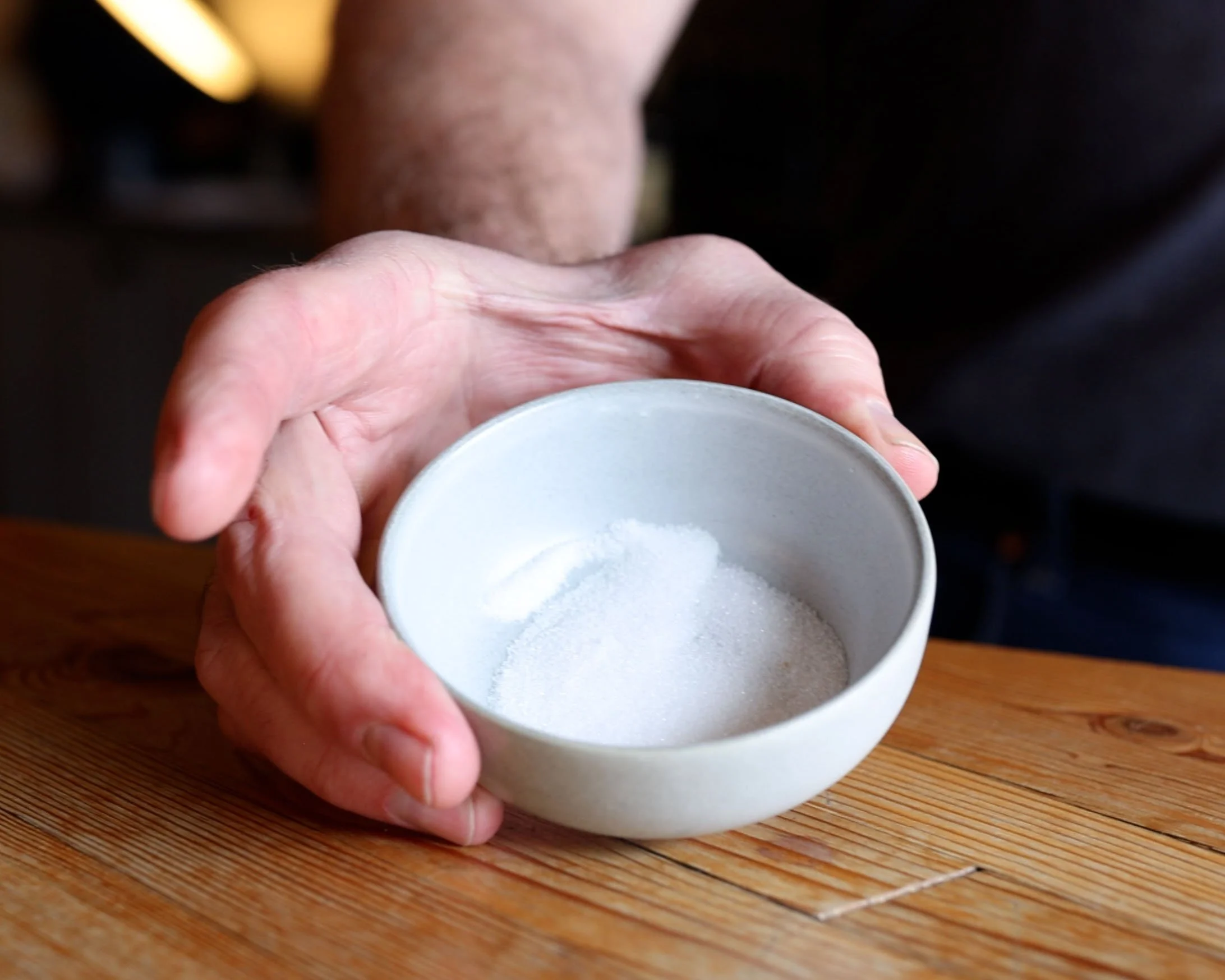
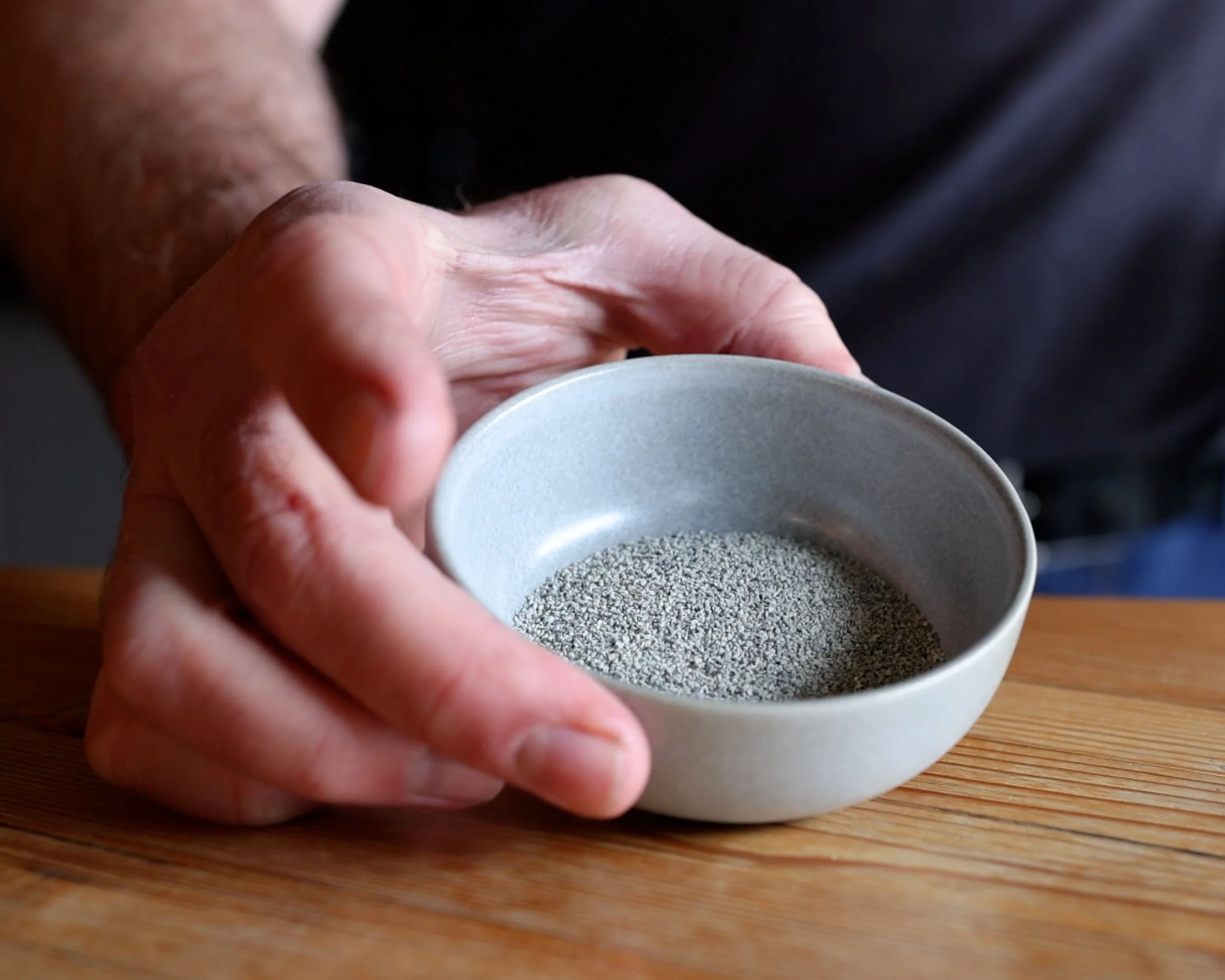
We also add SO2, or sulfur dioxide, which is something people ask about a lot. First, SO2 occurs naturally in a fermented wine (upwards of 8 parts per million). To ensure our wine can last, we add up to about 150 parts per million to an entire lot of wine. That is hundreds of gallons receiving that amount.
For context, dried apricots can contain up to 3,000 parts per million of SO2 according to U.S. government standards. There is far more sulfur dioxide in dried fruit than in our wine. Understanding that comparison helps put minimalism into perspective.
For our red wines, we also introduce malolactic bacteria. This beneficial bacteria converts malic acid into lactic acid, which is a softer, milk-based acid that is easier on the human stomach.
We also use bentonite, a natural clay product, in two of our white wines, Sauvignon Blanc and rosé. Once hydrated and added to the wine, it settles to the bottom and pulls unstable proteins with it. Those proteins can cause haze, and while they are not harmless, removing them helps with clarity. Bentonite adds nothing to the wine and only takes something away.
Last but not least, we add water, but only distilled water. Distilled water is made by boiling water, capturing the vapor, and condensing it back into liquid form. The result is water free of bacteria, minerals, and chemicals. There is nothing purer to add to wine.
That is minimalism at Lobo Hills.
Why does all of this matter?
If things are not done right during harvest, wine can smell off, taste harsh or bitter, and tempt winemakers to fix problems later with added chemicals. Those fixes might darken color, lift aroma, or cover up mistakes. We do not do that here.
Our philosophy is simple. Work harder during harvest so the wine does not need fixing later. We want you to feel good about what is in your glass and confident that if you ever saw every ingredient listed on a label, nothing would give you pause.
That is our approach to minimalism. We will talk about other aspects of what goes into our wine next time. All natural.