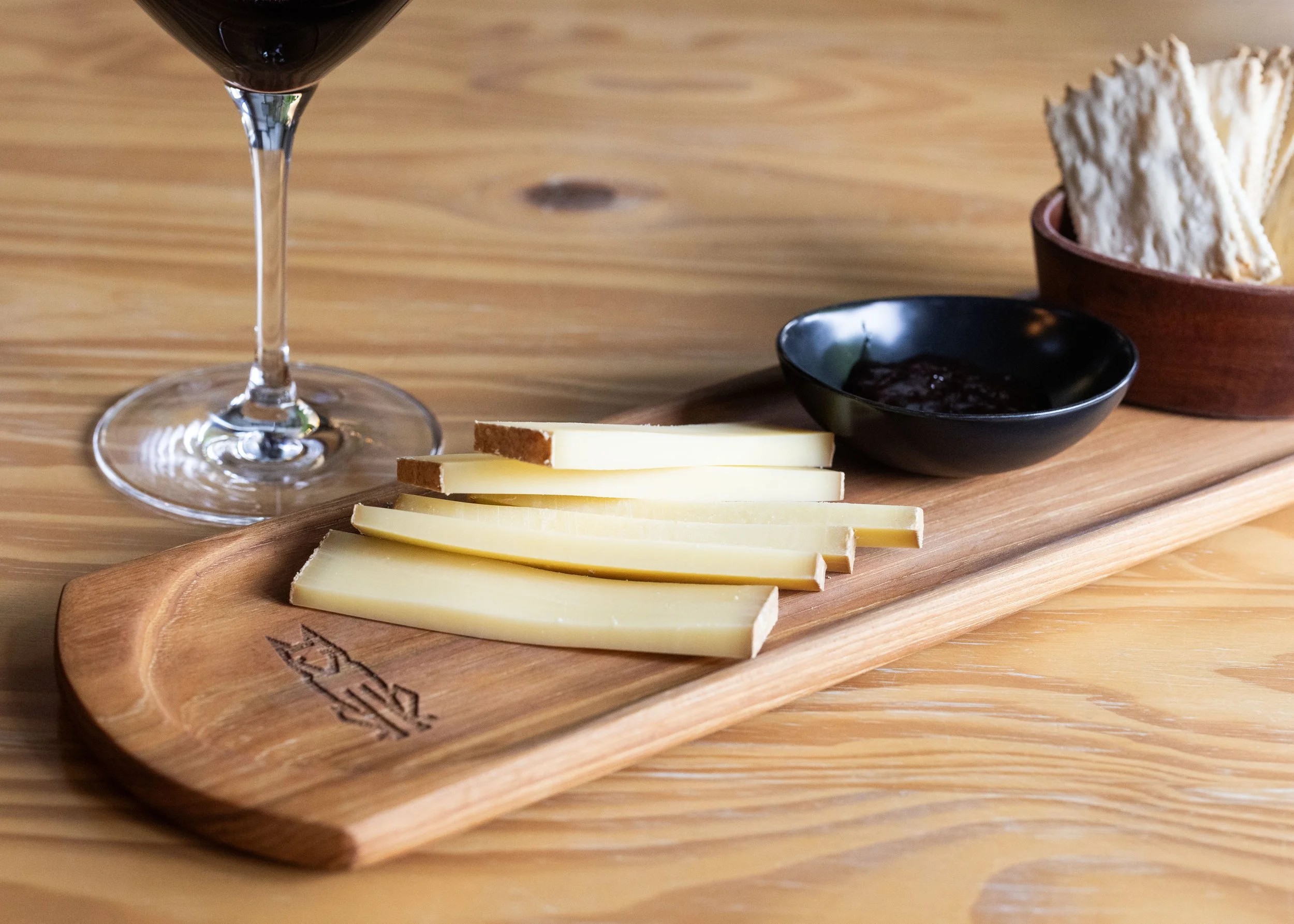
Wine & Cheese Pairing Tips from Lobo Hills
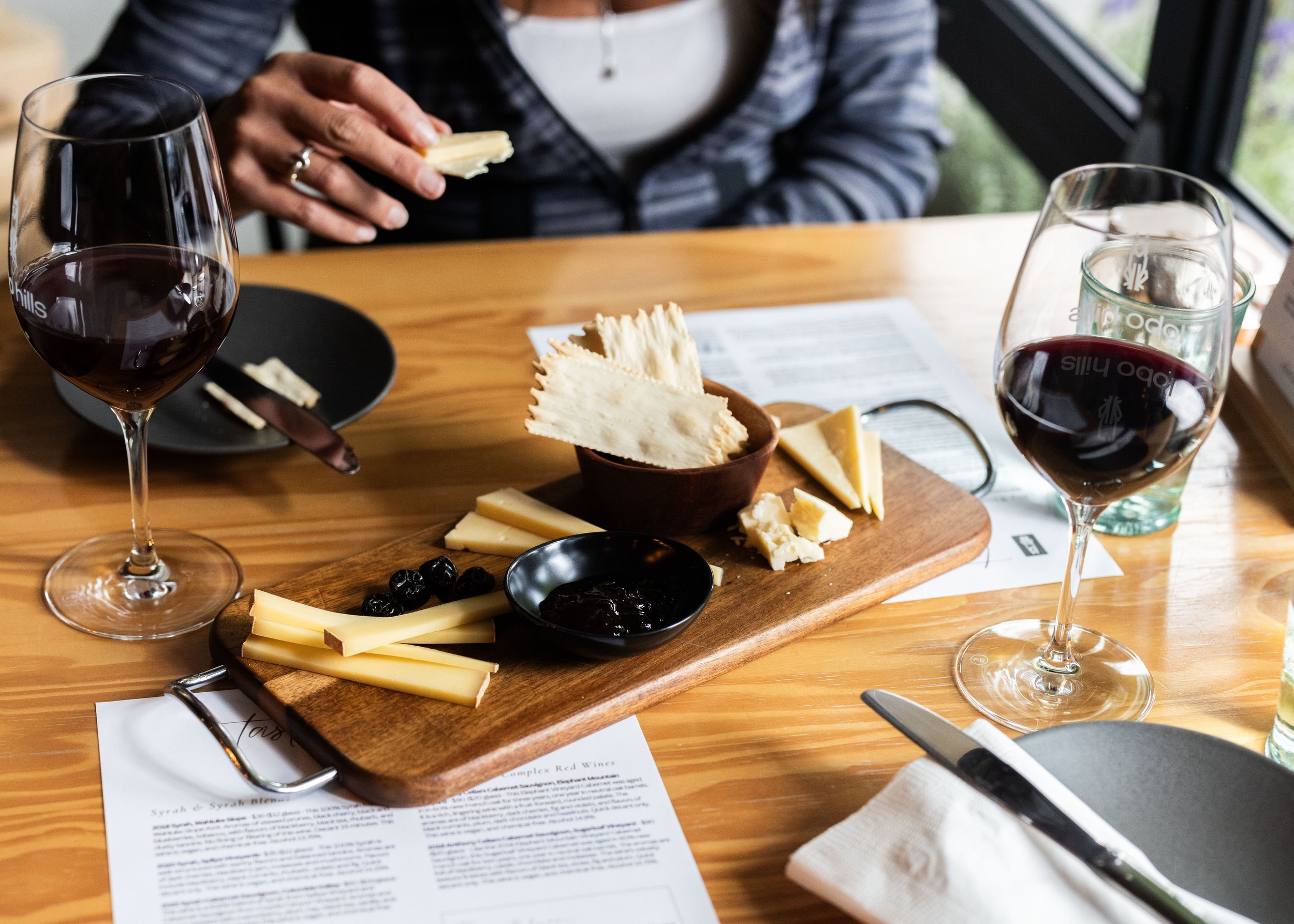
As you may know, we at Lobo Hills love wine and food, and wine and cheese pairings are among our favorite things! A nicely aged cheddar or parmesan with Cabernet, or Manchego with a Merlot. The possibilities are endless, and honestly, we could go on for days. Are you hungry yet? 🧀🍷
Let’s talk about some tricks and tips we like to use when putting together a wine and cheese pairing that elevates the experience.
First Things First: Know Your Wine
Before you dive into tasting any cheese, take a a moment to get to know the wine. Take a few sips and get a feel for its tannins, acidity, sweetness, fruitiness, and overall body. Is it soft and delicate, or bold and structured? All of these characteristics will influence the types of cheeses that pair best.
Note: We like to work with aged cheeses that don’t have added flavors (for example, we shy away from cheese with added cranberries or herbs). If you’re looking for that extra flavor punch, you can easily add jams, honey, or dried fruits to your board. Once you have a good sense of what you’re working with in your wine selection, you can start applying a few pairing strategies.

Contrasting Flavors
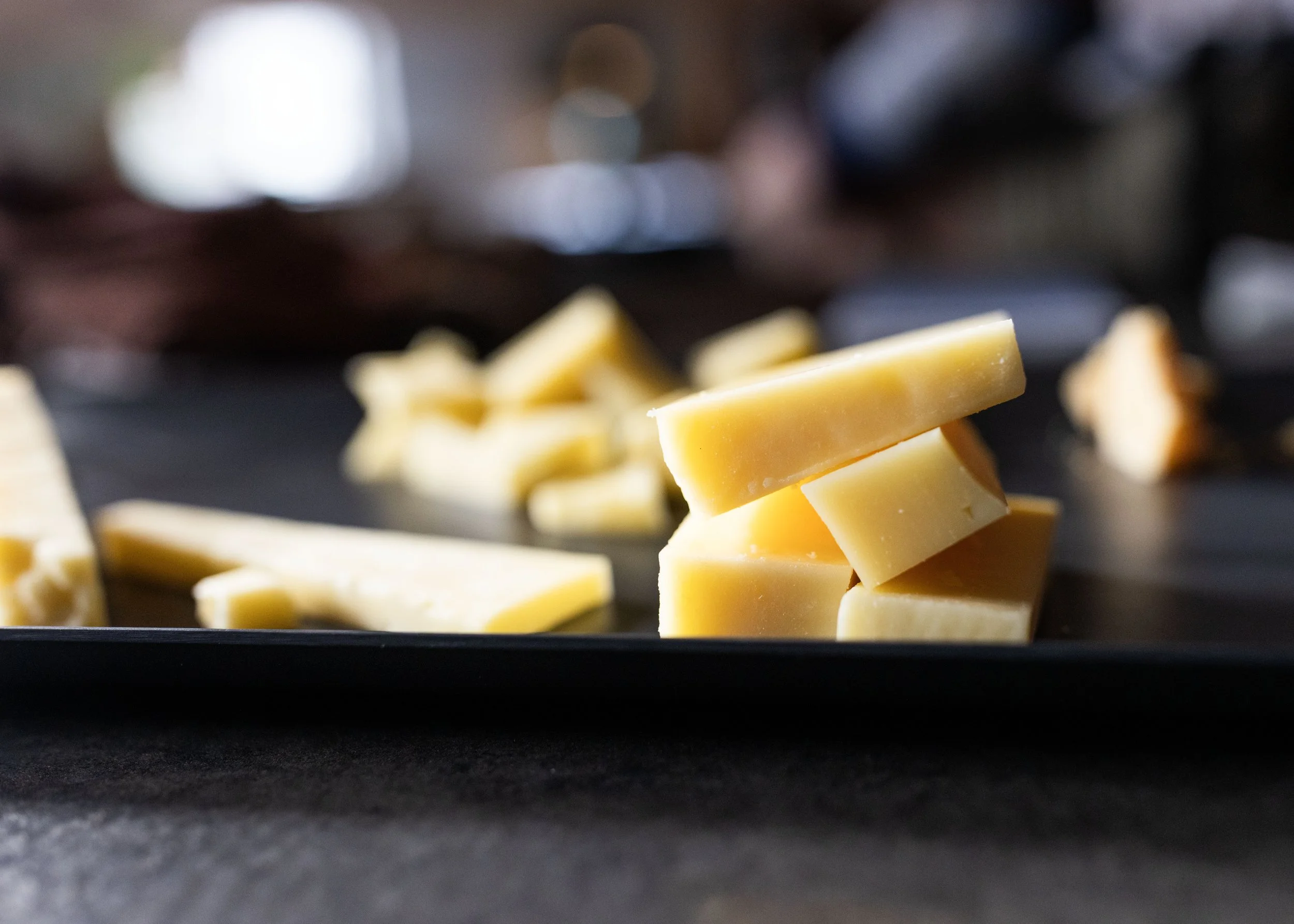
Sometimes it’s fun to pair a wine and cheese that seem completely different. While it might sound unusual, contrasting flavors can create a surprisingly delightful experience.
For example, try pairing a light-bodied wine like our 2022 Grenache, which has soft tannins and bright fruit and spice, with a strong, salty cheese like Daniel’s Reserve Cheddar. The fruit and spice in the Grenache become even more vibrant alongside the aged cheddar, especially with those little tyrosine crystals that add a wonderful texture.
Complementary Flavors with Light-Bodied Wines
Complementary pairings happen when the wine and cheese share similar flavor intensity and characteristics.
For instance, we paired our light-to-medium-bodied 2020 Merlot with a mild, creamy Mexican Manchego from Familia del Norte. The fruity notes in the Merlot play beautifully with the nutty flavors of the Manchego, with neither overpowering the other.
High-Acidity Wines
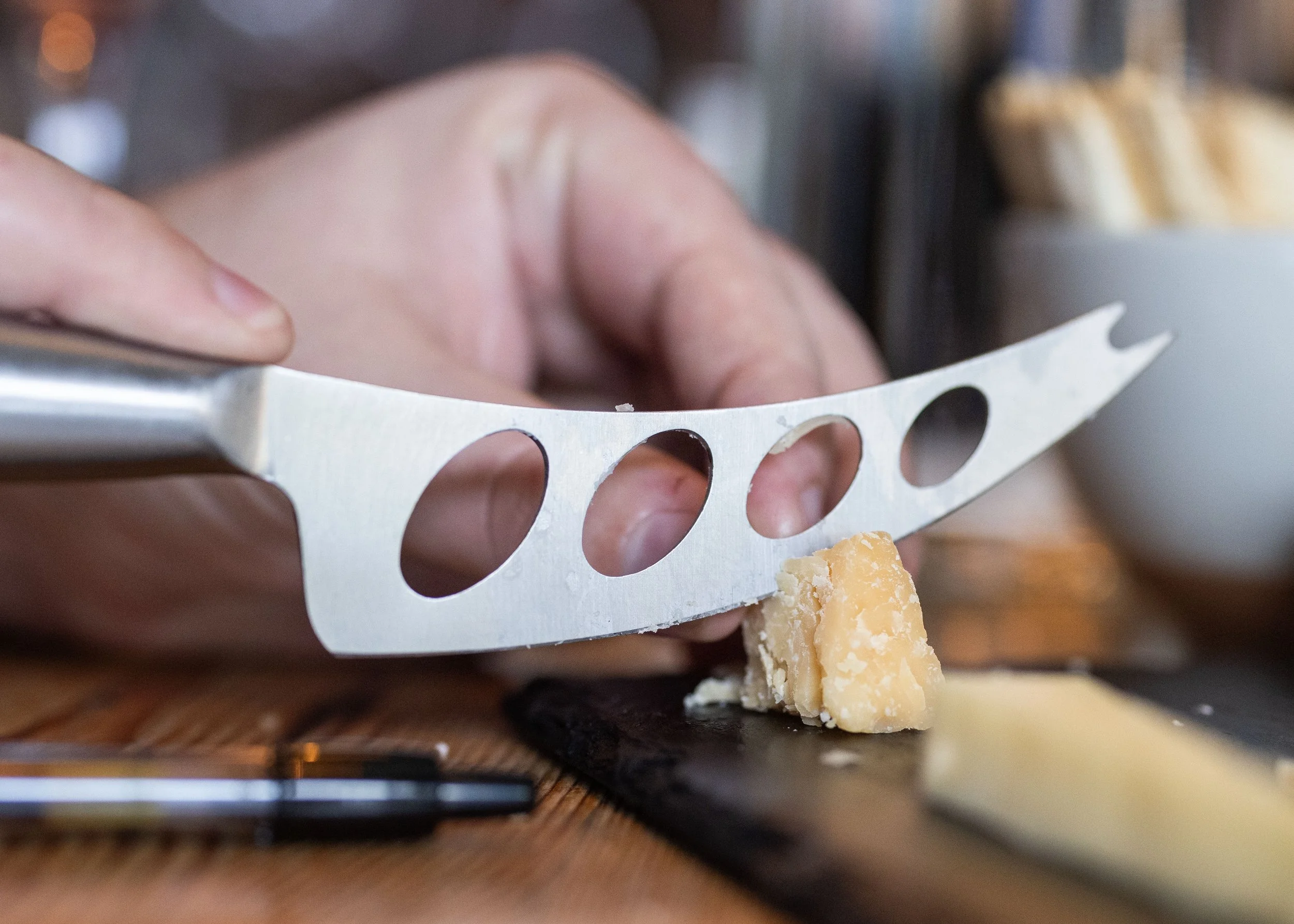
Sometimes you’ll encounter a wine with higher acidity, such as Barbera or certain styles of Malbec. These wines often benefit from pairing with rich, fatty cheeses that can balance the wine’s brightness.
When your wine has noticeable acidity (you’ll feel it along the sides of your tongue), look for cheeses with a higher milk fat content. The fat softens the acidity and helps bring out deeper flavors in both the wine and the cheese.
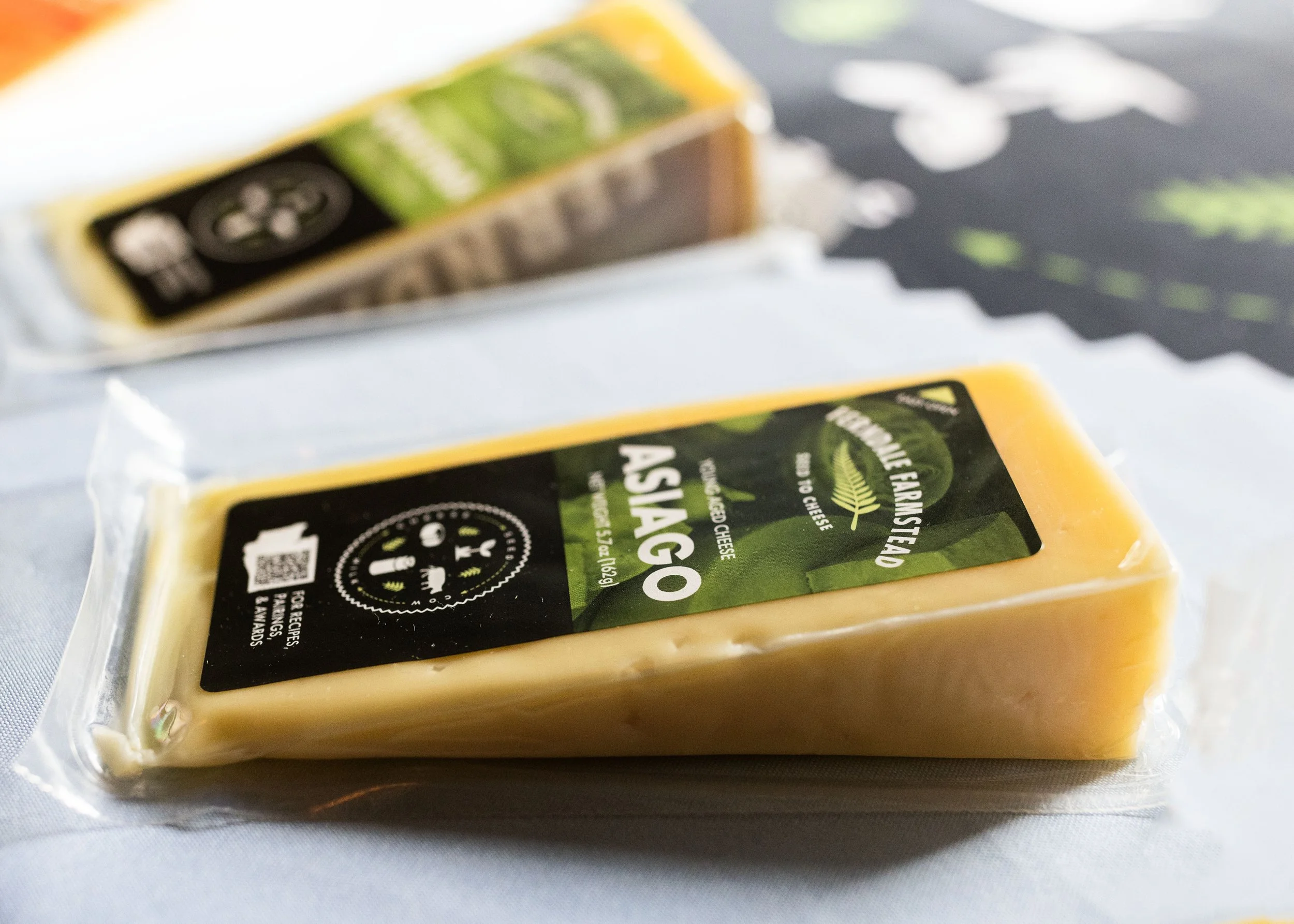
We paired our 2022 Barbera with an aged Asiago and a creamy Fontina from Ferndale Farmstead. Both cheeses were rich enough to stand up to the wine’s lively acidity.
High-Tannin Wines
With wines that have high tannins, typically bold red wines, it’s best to pair them with cheeses that have deep richness and intensity.
Tannins create a drying sensation in the mouth, so pairing them with rich, flavorful cheeses helps balance the experience. We recommend avoiding cheeses that have a bitter finish, such as many blue cheeses, as the bitterness can amplify the tannins.
One of our favorite pairings is the 2021 Anthony Cellars Cabernet Sauvignon, James Vineyards (aged for three years in French oak) with a 10-year aged Parmesan from Ferndale Farmstead. The intense butterscotch flavors of the cheese beautifully complement the wine’s notes of blackberry, cassis, dark cherry, fig, and cedar.
At the End of the Day…
Wine and cheese pairings ultimately come down to what you enjoy most. But if you love a good challenge and want to discover a combination that will impress your friends and family, try experimenting with some of these tips and see what you come up with.
And if you find an amazing cheese pairing with one of our wines, let us know! You can always text us at 425-485-1097and share your discovery.
Have fun exploring!