
Minimalism Part II (aka… It’s Not As Easy As It Sounds)
Welcome back to Part II of our minimalism chat! Last time we wrote about what minimalism is. And now let’s talk about why it’s actually kind of hard.
Let’s start with a quick refresher. When we say “minimalism,” here’s what we mean: we avoid adding chemicals, we keep it simple and intentional and our additions are minimal. Minimalism also means avoiding unnecessary filtering that can strip flavor and body from the wine. And, here’s the last bit; all of our wines are vegan, meaning we avoid using additives such as fish and egg-based ingredients often used in winemaking.
Here’s what we add:
Yeast
Yeast food
A small touch of sulfur dioxide (most of what’s in the wine is naturally created during fermentation) — about eight parts per million
Naturally occurring grape acids
Malolactic bacteria
Bentonite (a natural clay)
And… that’s it.
No long list of mystery ingredients. No heavy-handed corrections. Just thoughtful winemaking and a lot of attention.
But what makes minimalism hard to do? And why don’t more wineries do it?
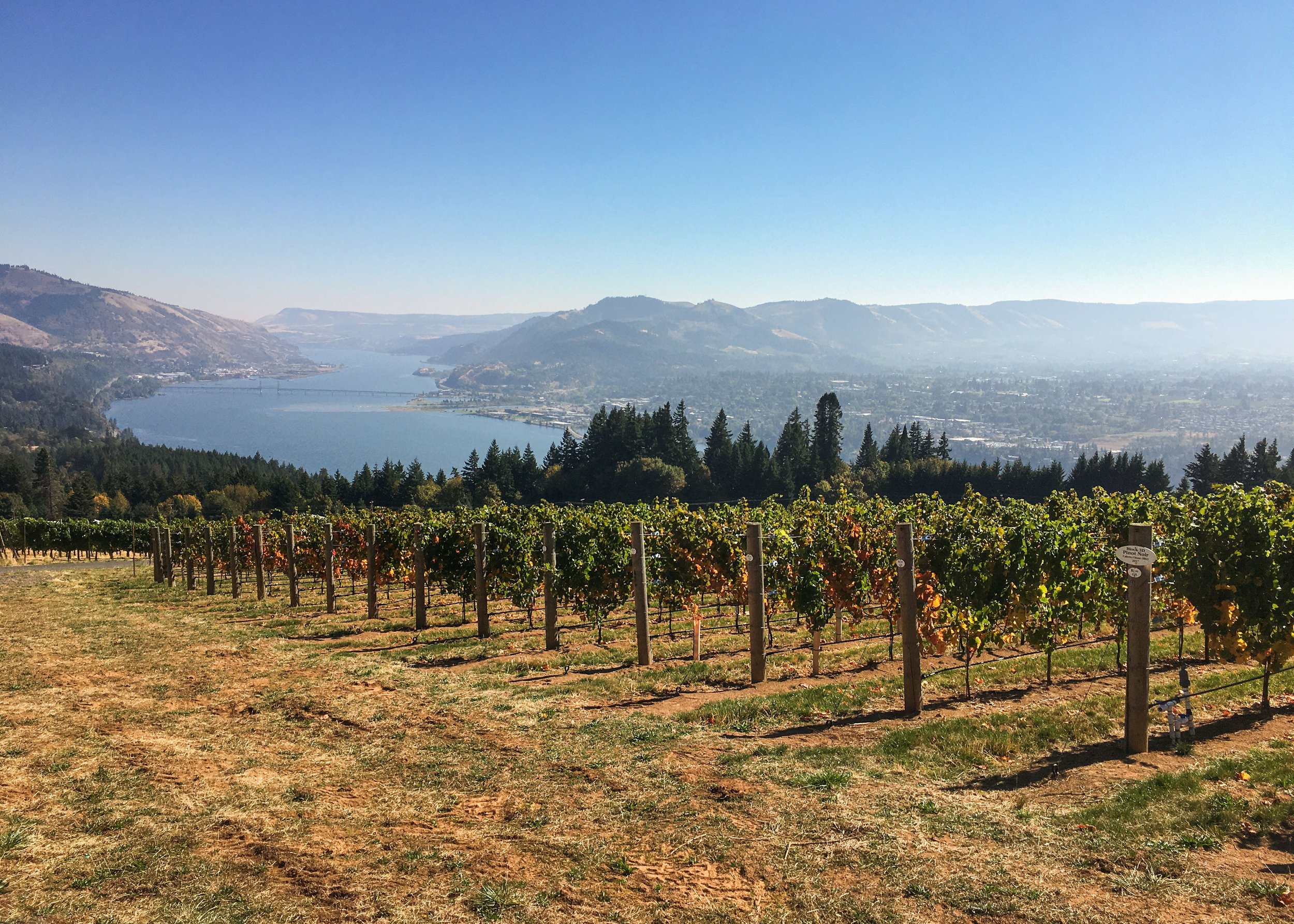
Being a minimalist winemaker is hard work. And it requires constant attention to detail, especially at the front-end of the process, starting with the grapes in the vineyard. We cherish the fact that wine has been made for thousands of years that stretches all the way back to Mesopotamia. So, for us, we take this labor-intensive approach because we respect the art of winemaking as a craft, not a formulaic process that can be replicated the same each year.
Wine Is Not a Recipe
Speaking of replication. We know that winemaking is vastly different from anything else.
Distilling spirits takes place all year long. Brewing can take place multiple times in a year. Each has a consistent base of materials. They have a recipe approach. They can hone that recipe approach and build upon it.
With winemaking, we basically have material that is inconsistent with each harvest, and we only get to make wine once a year in a short period of time — two to three months.
To make wine in a minimalistic manner, you’ve got to take an inconsistent base — the grapes, which change every single year based upon weather, temperature, climate, and people — and need to make a superior product. That heightens the game when you’re making minimalistic wine.
From that perspective, the winemaking process as a minimalistic winemaker takes more time, more hard work, and more hours than most wineries will put in. Why? Because we cannot afford to leave any stone unturned to make minimalistic wine.
Minimalism Is High Effort
A lot of people think, “Oh, it’s minimalist, so it should be easy.” Au contraire — it is not a lazy person’s sport.
It is actually very high intervention. Your sanitation protocols are your bulwark for keeping your wine safe and healthy. Your operating procedures keep everything in line. Your experience allows you to adjust to the subtle nuances that come with each crop, every single year. And the hours…they can be long.
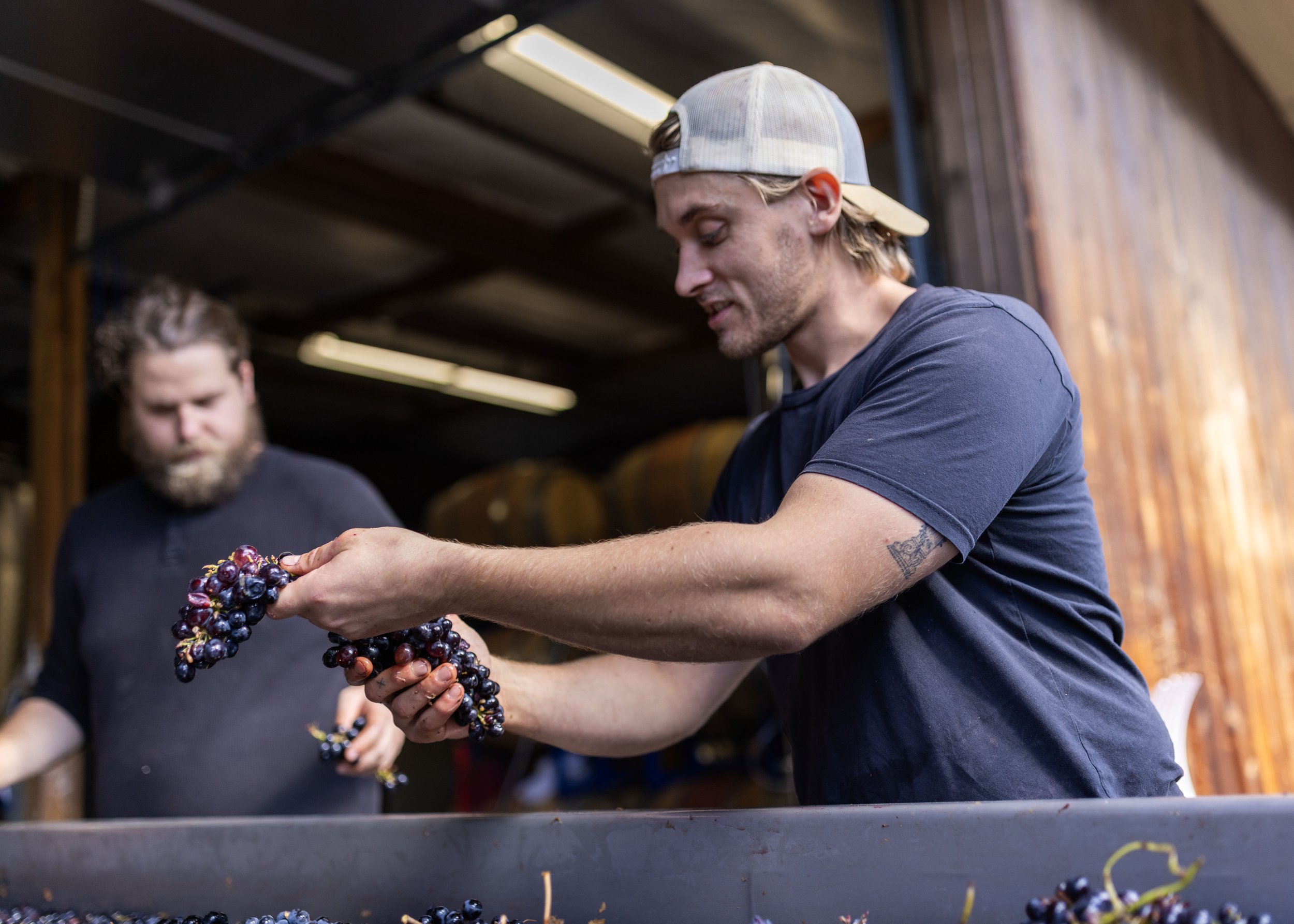
The people who work in the cellar in a minimalistic winery are some of the best, coolest, hardest-working people I know. They’re like really well-trained athletes who realize there’s going to be pain to get to the end of the race, but they’re willing to do it and take satisfaction in crossing the finish line.
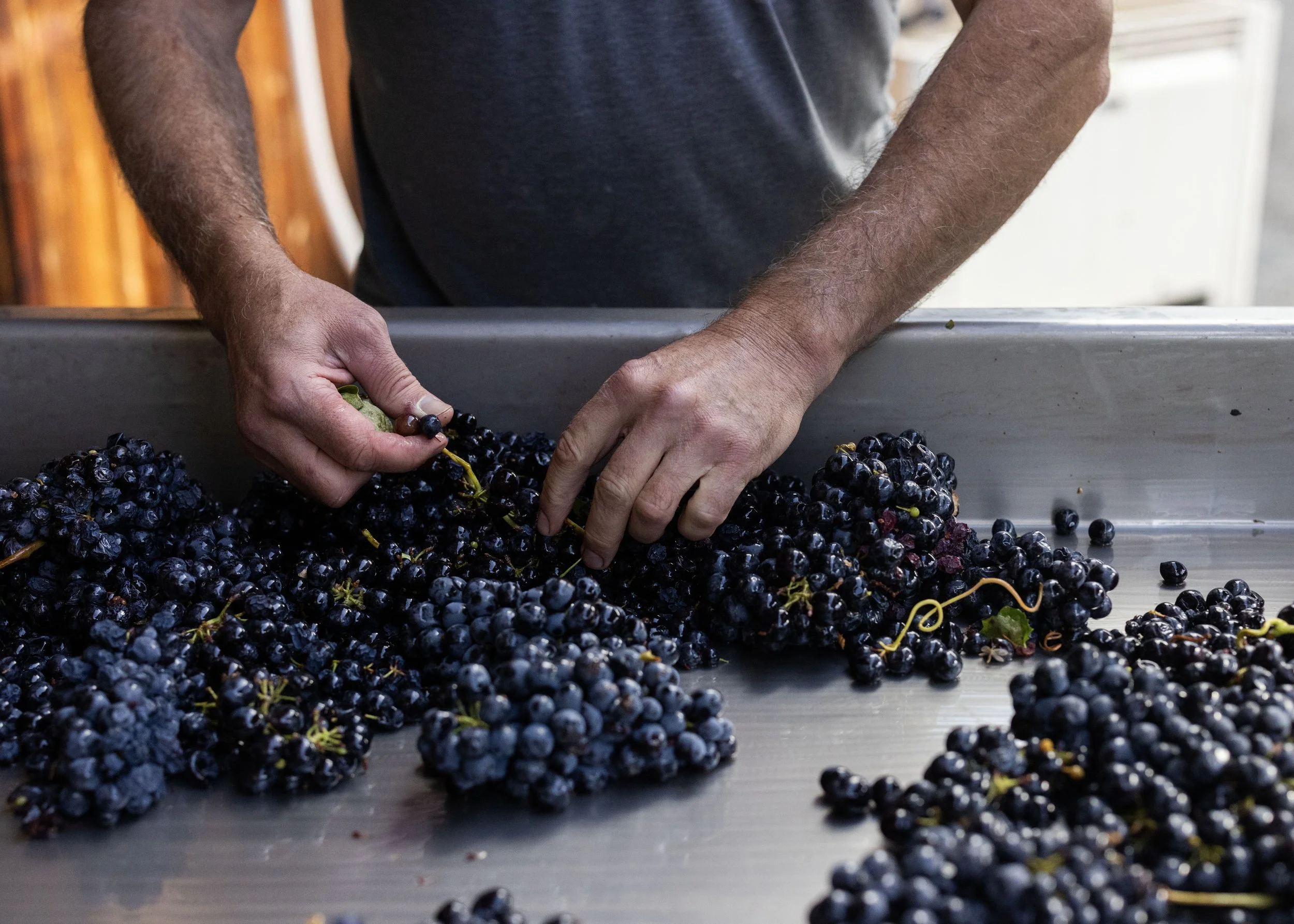
Let me give you an example. We talked last time about how we sort all of our fruit — whole cluster. We pick up the clusters, pick out the berries, etc. It takes us about 1 to 1.25 hours to go through one ton of fruit. If you bring in six tons, you’re spending about seven hours at the sorting table.
That does not count the two hours of prep time to get everything sanitized beforehand, and two hours afterward to clean up. That in addition to everything else you're doing throughout the day.
The Nose Knows
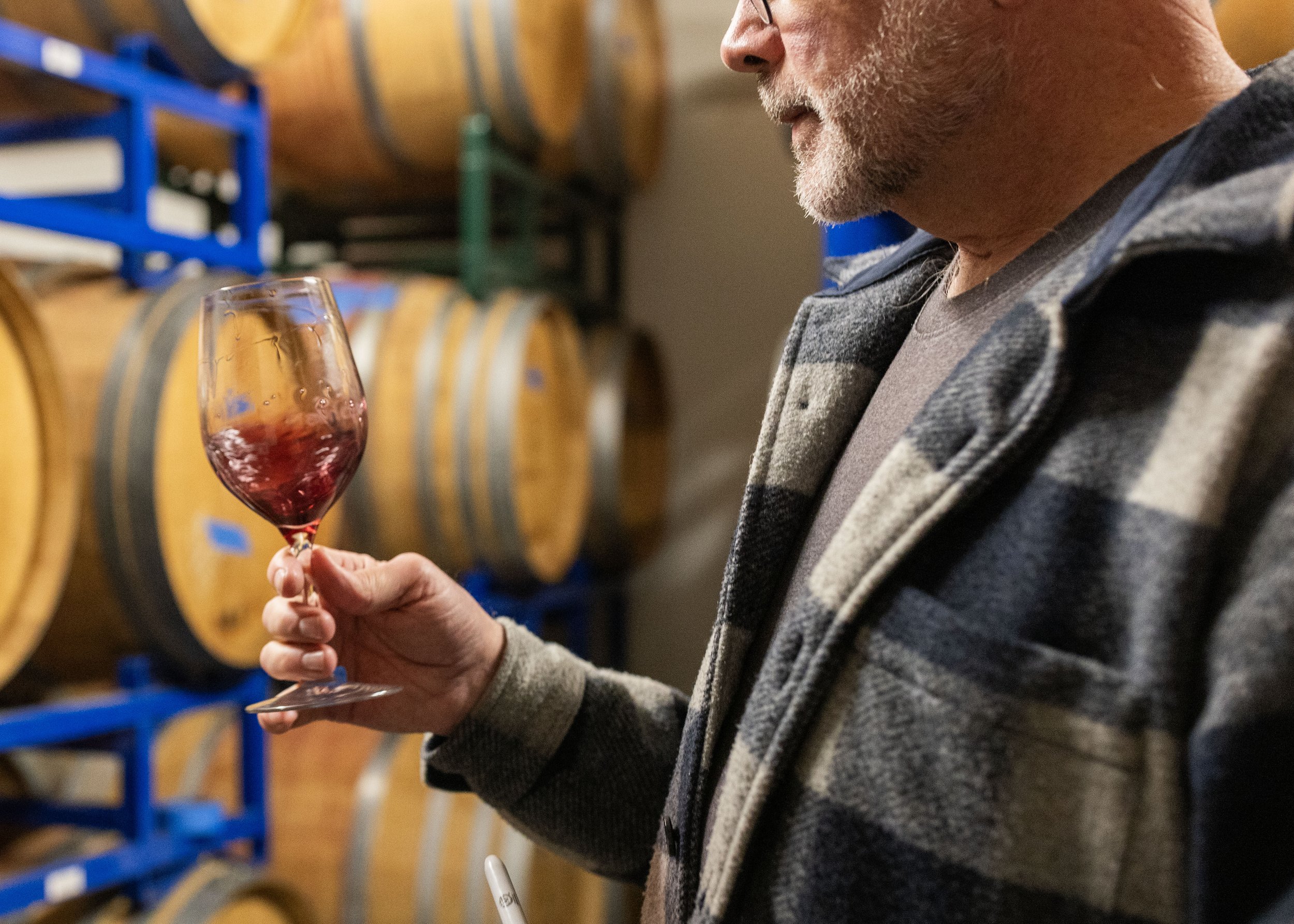
During harvest, you rely not as much on your taste as on your sense of smell. You need to walk into the cellar and pick up any off-odors. You need to have an idea of what you can do to make things better for that struggling yeast inside the tank.
Warm it up. Cool it down. Feed it. Stir it. Oxygenate it — whatever it needs.
That only comes with time and perspective.
The Bottom Line
The key thing with minimalistic winemaking is this: You need to be hyper-attuned to your cellar, hyper-attuned to what you can do, and willing to go the distance to make sure that at the end of the day, you’ve got good wine.
That’s round two in a very truncated form. I could go on much longer, but not today :)
Got any questions? Send me an email or shoot me a text — I’m always happy to talk wine.
Til next time!
Tony Dollar, winemaker and owner of Lobo Hills Winery, on minimalist approach to winemaking.
